A game art direction study
Miniature and diorama game art
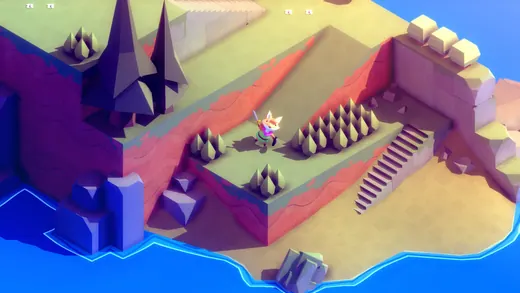
Miniature game art makes a world feel like a small, carefully arranged model. Chunky proportions, contained compositions and selective detail help create that impression. TUNIC and Tiny Glade show two different balances: clear geometric play spaces and densely dressed architectural scenes.
Artstyle visual analysis of the screenshots below. These references describe appearance, not a verified account of how the original assets were produced.
Explore miniature worlds referencesWhat defines this look
A model-sized composition
Frame a comprehensible piece of the world rather than filling the horizon with equally important detail. Islands, courtyards and raised ground create edges that make a scene feel held together.
Rounded proportions
Thicker walls, generous steps and compact trees can suggest a crafted object. Establish a consistent scale relationship instead of shrinking realistic assets uniformly.
Focus and readability
Depth cues can reinforce the miniature impression, but excessive blur hides gameplay information. Keep the actor, route and important interactive objects readable together.
A playable model
TUNIC
TUNIC places a small fox among brightly colored ruins, stairs and water. Large changes in height are legible because each terrace has a simple shape and clear edge.
What to studyTrace the route through the scene before studying the foliage.
Explore these references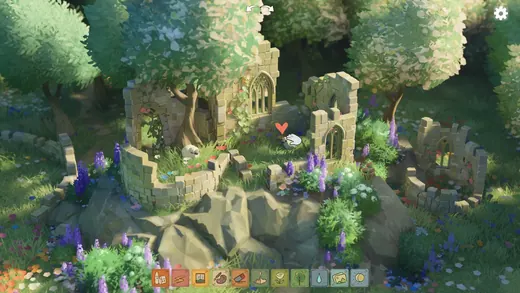
A dressed architectural vignette
Tiny Glade
Tiny Glade layers rounded masonry, greenery and small paths into an intimate ruin. Detail gathers around the building while the overall mass remains recognizable.
What to studySeparate the large building shape from its decorative planting.
Explore these referencesWhat to avoid
A tilt-shift blur by itself will not make inconsistent proportions feel miniature. Start with camera, scale and scene boundaries; treat depth of field as a finishing decision.
Does diorama art require an isometric camera?
No. An angled elevated camera is common because it reveals several surfaces, but miniature scale can be conveyed through proportion, staging and focus from other viewpoints.
Build your reference sheet.
Collect a camera reference, a masonry reference and a planting reference. Describe which objects should feel oversized relative to a character and where the scene should have a visible edge.
Start a free lookbookYour free lookbook includes 20 references and sharing.
Visual analysis by Artstyle. Screenshots belong to their respective rights holders and are provided as references, not licensed production assets. Source links appear with each image.
Related visual studies
How to build a game art lookbook
A useful game art lookbook explains which decisions each image should inform.
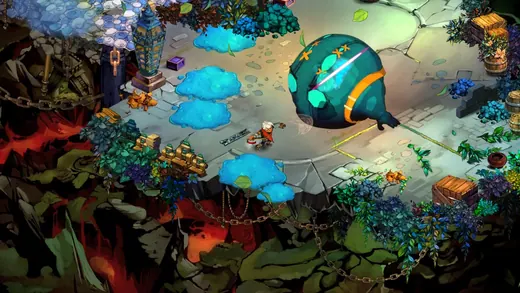
Painterly game art
Explore painterly game art in Hades, Bastion and Disco Elysium. Compare screenshots and collect references for illustrated environments and characters.
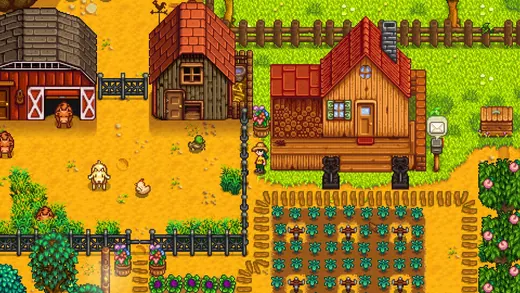
Pixel art game references
Compare pixel art in Stardew Valley, Fields of Mistria and Hyper Light Drifter. Explore palettes, object readability and environments for your game lookbook.