Find a visual direction.
34 illustrated guides to game aesthetics, environments and interfaces. Understand what makes a look work, then collect the details for your own game.
Aesthetics
15 guides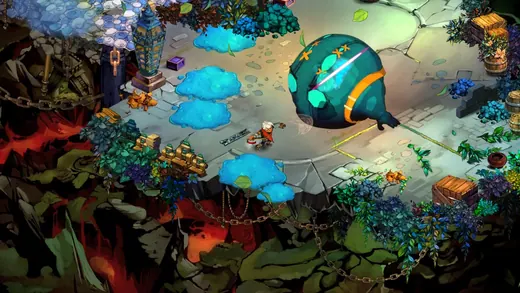
Painterly game art
Explore painterly game art in Hades, Bastion and Disco Elysium. Compare screenshots and collect references for illustrated environments and characters.
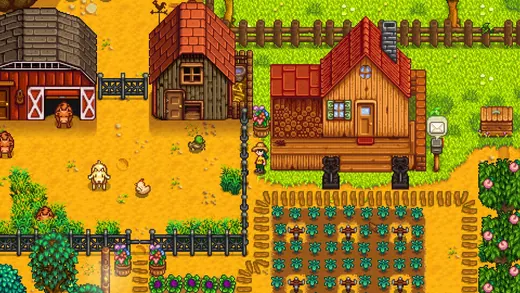
Pixel art game references
Compare pixel art in Stardew Valley, Fields of Mistria and Hyper Light Drifter. Explore palettes, object readability and environments for your game lookbook.
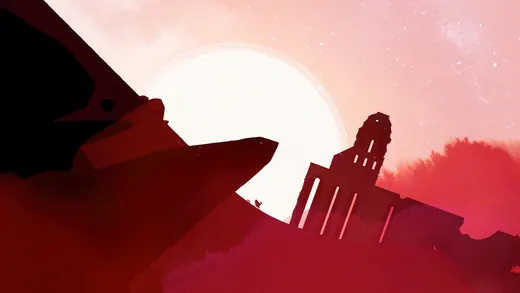
Watercolor game environments
Watercolor game environments use translucent-looking color, irregular edges and areas of visual quiet to suggest pigment on paper.
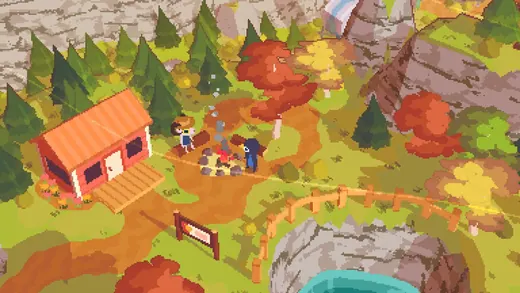
Low-poly game environments
Low-poly game environments make shape, proportion and color carry information that a detailed surface might otherwise supply.
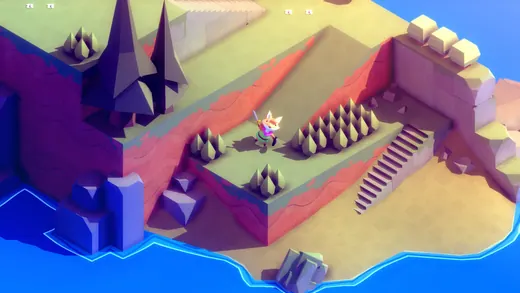
Miniature and diorama game art
Miniature game art makes a world feel like a small, carefully arranged model.
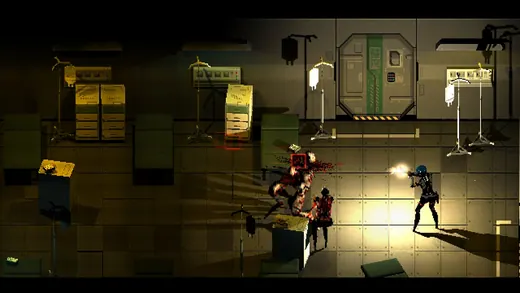
PS1-style horror game art
PS1-style horror uses incomplete visual information to make spaces feel uncertain: coarse surfaces, simple forms and pools of light that leave important areas unresolved.
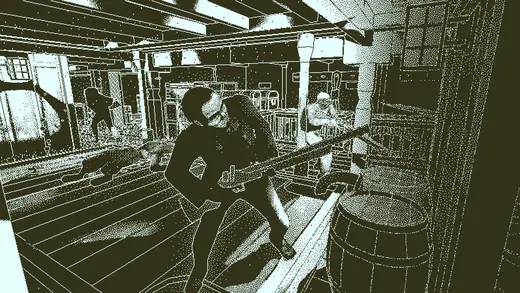
Monochrome and one-bit game art
Monochrome game art removes hue as a way to separate objects, making value, silhouette and texture more important.
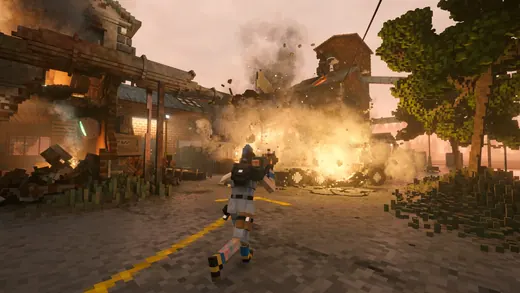
Voxel game art and lighting
Voxel game art builds a visual language from repeated block-like units, but the final mood depends strongly on lighting and scale.
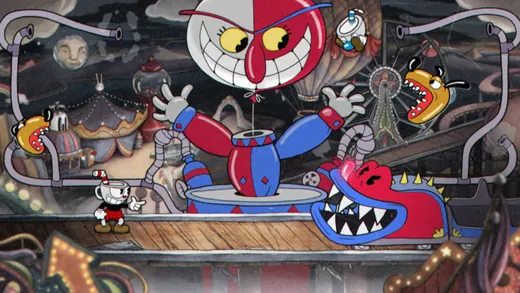
Hand-drawn game art references
Hand-drawn game art is best specified through line, shape and the relationship between characters and scenery.
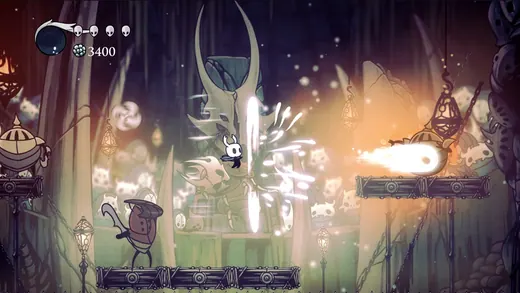
Dark ink and gothic illustration in games
Dark ink game art uses heavy shadow shapes and selective contours to make a scene readable with relatively little light.
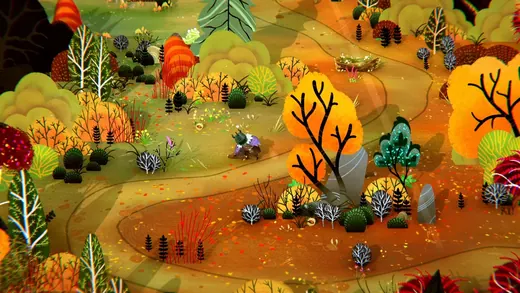
Storybook and folklore game art
Storybook game art makes a world feel illustrated through decorative shapes, controlled outlines and a deliberate relationship between figures and scenery.
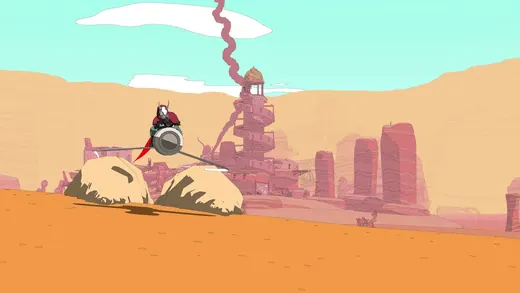
Cel-shaded and outlined game art
Cel-shaded and outlined game art simplifies surface shading to emphasize graphic shapes, but an outline is not the same thing as cel shading.
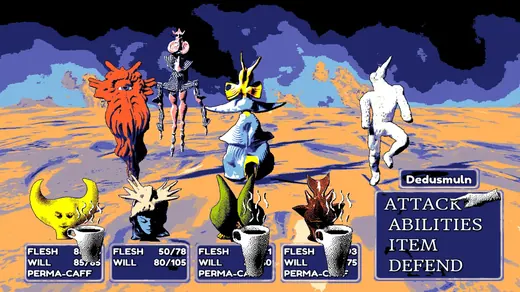
Handmade, clay and paper game aesthetics
Handmade game aesthetics suggest objects that could be touched: uneven clay, folded paper, cut edges and miniature construction.
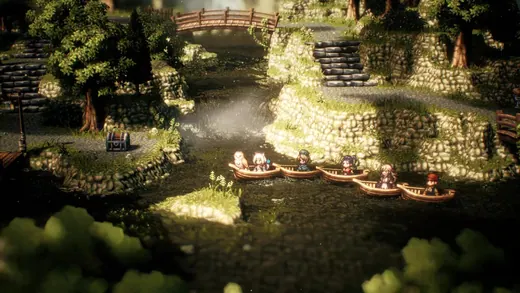
HD-2D-inspired pixel art and lighting
HD-2D-inspired scenes combine pixel characters with spatial staging, environmental detail and pronounced lighting or focus effects.
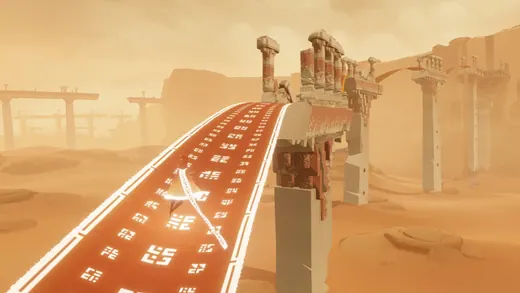
Minimalist game environment art
Minimalist game environments concentrate meaning into a small number of shapes, colors and spatial relationships.
Worlds and atmosphere
8 guides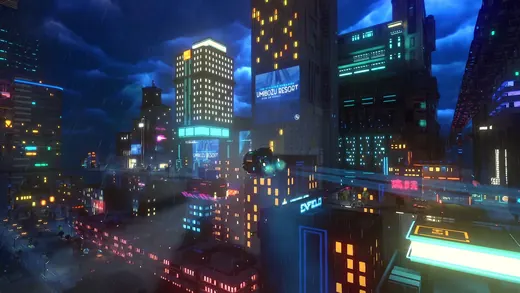
Neon cyberpunk city references
Neon cyberpunk cities depend on the relationship between dark structure and concentrated artificial light.
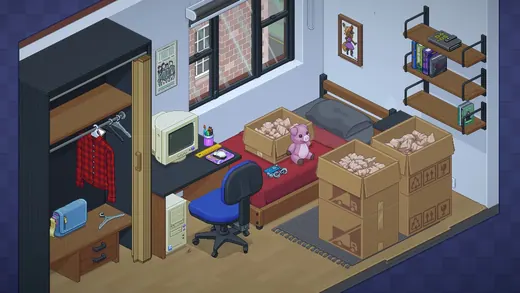
Cozy pixel art interiors
Cozy pixel art interiors feel personal because objects suggest a life, not because every available tile is filled.
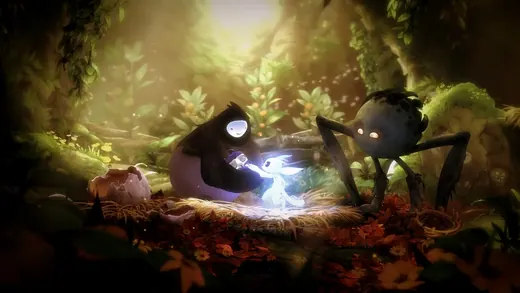
Glowing forest game art
Glowing forest art uses layered organic shapes and selective light to turn vegetation into a navigable atmosphere.
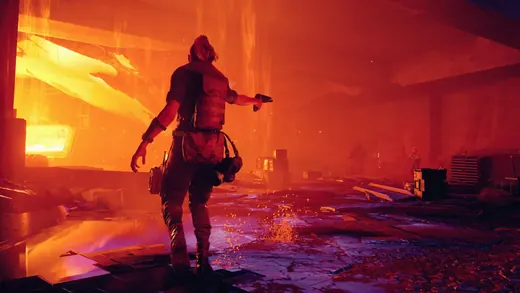
Brutalist game environments
Brutalist game environments draw attention to heavy architectural masses, repeated structural elements and the relationship between a person and an oversized space.
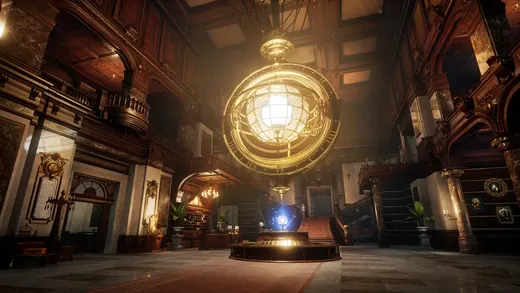
Steampunk game environment references
Steampunk environments combine industrial machinery with older architectural and decorative languages.
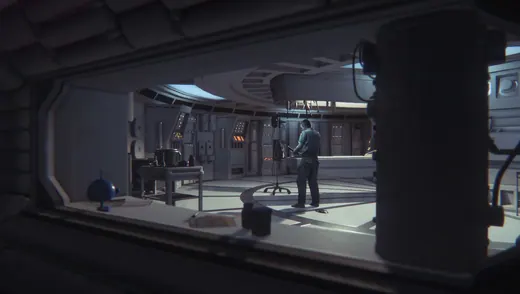
Retro-futuristic spaceship interiors
Retro-futuristic spaceship interiors make advanced technology feel physical through heavy housings, practical lights and surfaces that suggest maintenance.
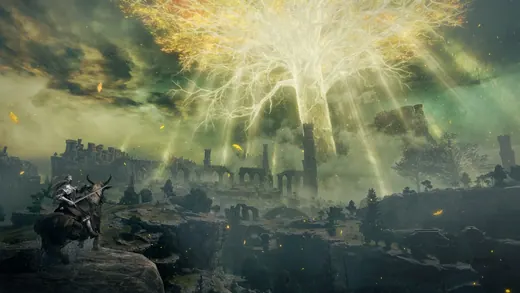
Epic fantasy environment references
Epic fantasy environments communicate scale through the relationship between ordinary-sized figures and extraordinary landmarks.

Underwater game environment art
Underwater game environments need to communicate depth, suspended space and visibility without the familiar grounding of a horizon or floor.
Game interfaces
6 guides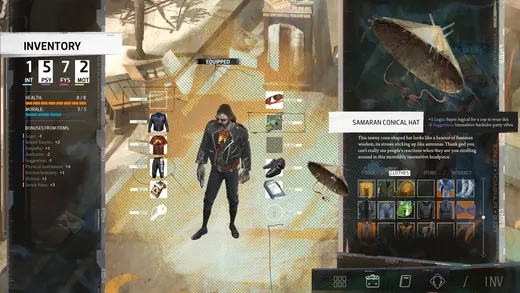
RPG inventory UI design references
RPG inventory UI must distinguish what a character owns, what they have equipped and what will change when an item is selected.
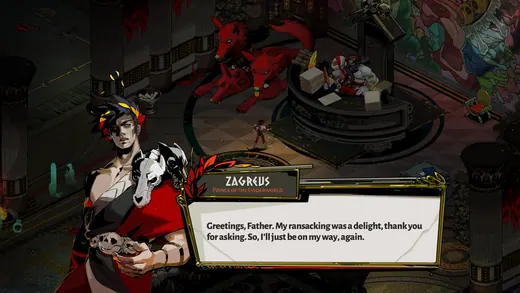
Game dialogue boxes and choice UI
Game dialogue UI coordinates the speaker, the words and the player’s next action.
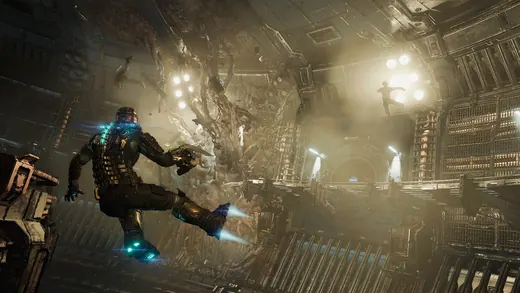
Diegetic game UI and in-world HUDs
Diegetic UI presents information as part of the game world rather than only as a separate screen overlay.
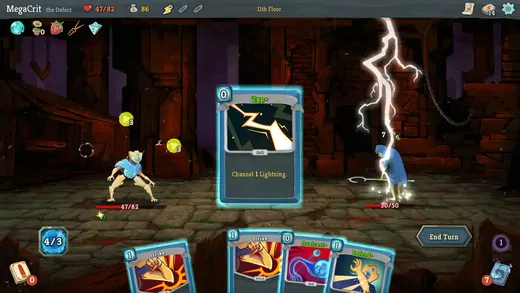
Deckbuilder and card game UI references
Card game UI must make individual cards readable while showing how a hand changes the larger game state.
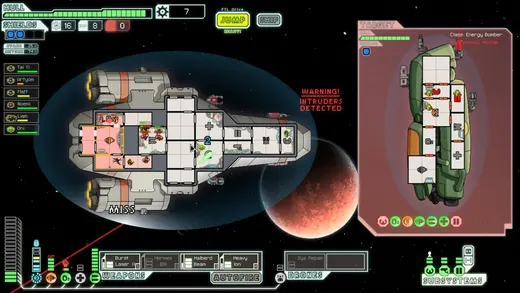
Strategy game information and command UI
Strategy game UI has to connect a large world with a specific decision.
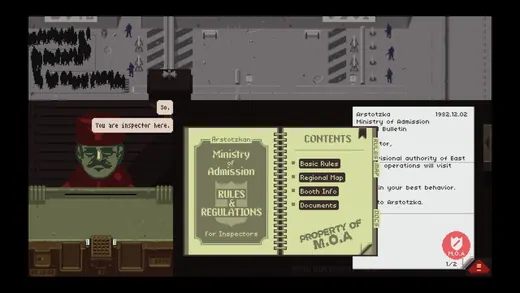
Paper, manuscript and document game UI
Paper-based game UI turns reading and choosing into actions associated with documents, books or a working desk.
Game art breakdowns
3 guides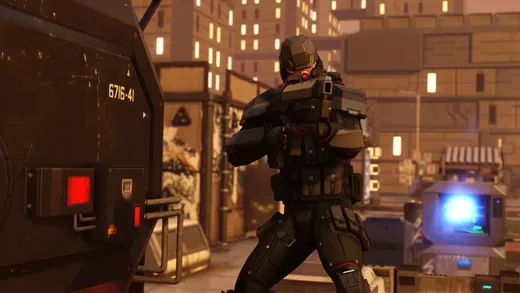
Games that look like XCOM
Compare games that look like XCOM: Gears Tactics, Phoenix Point and Mutant Year Zero. Screenshots, art-direction notes, and references for your own game.
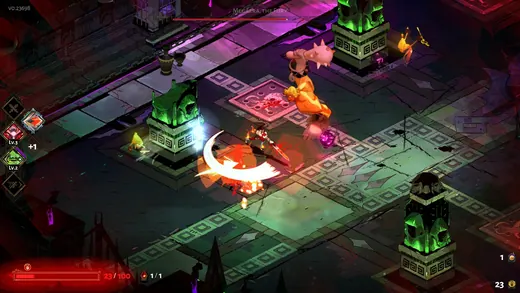
What defines the Hades art style?
Hades combines richly illustrated environments with sharp shapes, strong color separation and emphatic character presentation.
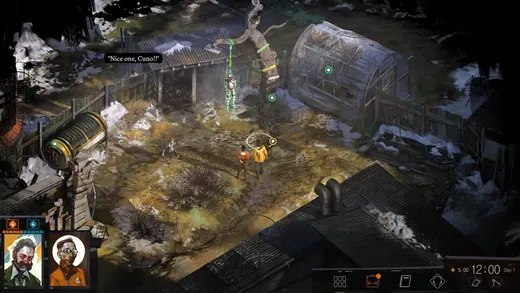
What defines Disco Elysium’s art style?
Disco Elysium pairs a weathered, painterly environment with an interface that must accommodate detailed reading and character information.